
Commercial Pest Control Services in Penfield, NY: What the Lawn Side Covers
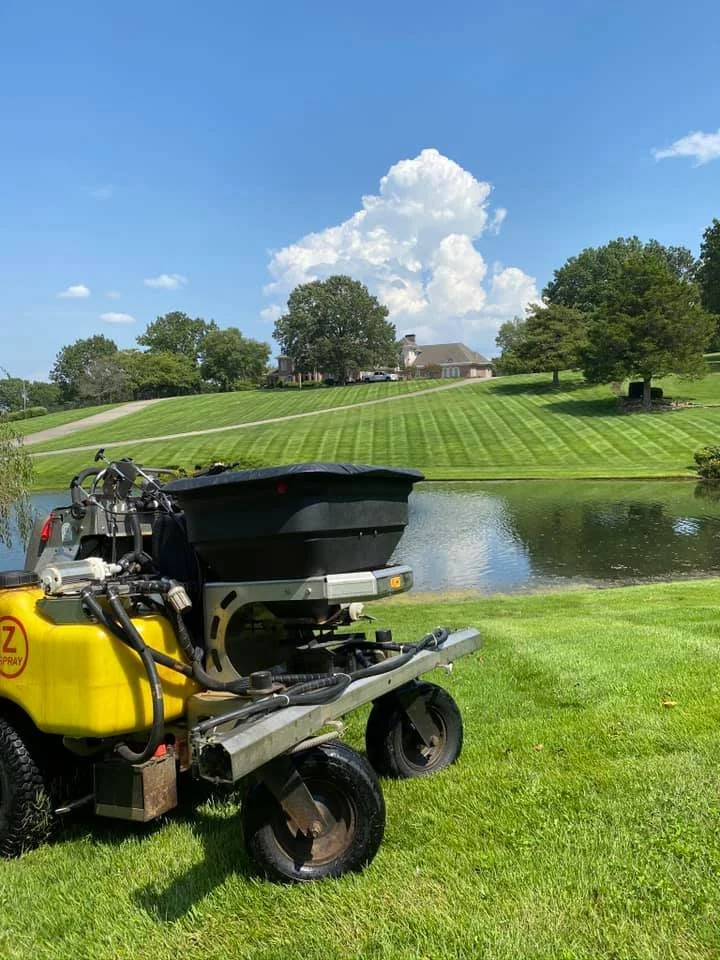
Tenants do not report grubs. They report a lawn gone spongy underfoot, or a child who came in off the grass with a tick, and the complaint lands with whoever manages the property. Commercial pest control services in Penfield, NY answer that kind of report far more often than they answer anything happening inside the building.
Most of the pest calls that reach us start on the turf, and the distinction is worth making early. Our scheduled treatments work on the lawn and the landscape around it, which is narrower and more useful than the search phrase suggests. A manager gets a straight answer about which of two problems we close.
Town & Country Enterprises has cared for Rochester-area properties since 1976, and the pest work runs out of our Penfield office on Allen Road as part of a second-generation family business. Commercial grounds accounts hold a steady share of that schedule, so treatment plans get built around tenant traffic and daily use rather than around a residential backyard.
Related: Pest Control in Rochester and Brighton, NY: What to Expect From a Professional Treatment Plan
What Do Commercial Pest Control Services Cover on a Landscape?
Treatments protect turf and planting from the insects that damage a lawn and from the biting pests that make outdoor space unusable. On a business property that means the grass, the beds, the edges, and the shaded areas where people walk and sit.
The work runs on a schedule and gets maintained rather than sold as a single visit. A population knocked back once returns to the same site, because the conditions that drew it there stay in place.
Coverage also includes what technicians look at between applications. Thatch depth, soil moisture, and the shape of the damage tell a technician whether pressure is building, and that read sets the next lawn pest control treatment rather than a fixed product rotation.
Which Pests Show Up on a Penfield Business Property?
Two groups, and they produce different complaints. One thins the lawn where tenants see it, the other reaches the people using the space.
Turf Insects That Thin a Commercial Lawn
Chinch bugs, crane flies, and sod webworms feed on turf in ways that read as drought stress. Damage shows first along the sunniest, most compacted stretches, which on a business property means the strip between the parking lot and the walk.
Left alone, these populations take out root mass rather than blades, and the turf lifts free of the soil in sections. A lawn at that stage needs renovation, not treatment, which is the cost a schedule is built to avoid.
Biting Pests Around Seating and Walkways
Ants, earwigs, fleas, and ticks generate the complaints that reach a property manager directly. Our lawn treatment services also cover mosquito, tick, and flea control, which matters most on properties with seating, courtyards, or paths cut through planting.
Timing follows the season and the pressure on the site rather than a fixed calendar date. Tick pressure climbs where turf meets a wooded edge, and mosquito pressure follows standing water, so two properties a mile apart can need different intervals.
What Do Lawn Pest Treatments Not Cover on a Commercial Property?
Anything inside the building sits outside this service. The work stops at the landscape, so a structural pest problem belongs with a different specialist, and we say so rather than take the visit.
Naming that boundary serves a property manager better than a vague promise. It tells you which part of the property this schedule covers and which part still needs an owner.
It also closes the common gap where two vendors each assume the other holds the perimeter. Interior and landscape work use different products, different licensing, and different inspection routines, and the two schedules rarely line up on their own.
How Does Pest Treatment Fit With Fertilization and Weed Control?
All three run on one schedule rather than as competing programs. Lawn fertilization builds density, weed control keeps competition down, and pest treatment protects the plant from being eaten while the other two take hold.
A thin lawn often gets diagnosed as a feeding problem when insects are the cause. Our technicians read the turf on every visit instead of applying to a script, so the application matches what the property shows that week.
On a commercial site that read gets recorded. The next visit starts from what the last one found, which matters when a property changes hands or a new manager inherits the account mid-season.
Who Notices a Pest Problem First on a Commercial Property?
Whoever crosses the property most often, which on a maintained site is the crew. A mowing crew on the same turf every week sees a patch spreading weeks before a tenant reports it.
That is the practical argument for keeping treatment with the contractor who already holds the grounds. Landscape maintenance and pest treatment under one schedule put the observation and the response with the same people.
Two vendors on one lawn split them apart. The distance between the crew that saw the damage and the company that treats it gets measured in weeks, and turf lost in those weeks comes back as a renovation line rather than a treatment line.
Add Commercial Pest Control to Your Grounds Schedule
A property generating complaints about the lawn, or about the insects in it, needs the fix on the schedule you already run.
Ask Town & Country Enterprises about adding commercial pest control to the grounds work on your Penfield property.
In Summary
Does commercial pest control cover the inside of the building?
These treatments stay on the lawn and the landscape around it, which means turf insects and the biting pests living in the grass and the beds. Anything inside the building belongs to a different trade.
Which pests are treated on a Penfield business property?
Treatment targets chinch bugs, crane flies, sod webworms, ants, earwigs, fleas, and ticks, and the lawn treatment side adds mosquito, tick, and flea control.
Can pest treatment be added to an existing grounds contract?
Adding it to a schedule already running is the usual route. Town & Country Enterprises folds the treatment into the visits your property receives, so the account keeps one visit plan and one invoice.
How often does a commercial property need pest treatment?
Frequency follows the season and the pressure on the site rather than a set number of visits. Properties with heavy foot traffic, dense planting, or a history of chinch bug damage usually need a tighter interval than open turf.
Related: Commercial Landscape Maintenance in Penfield, NY: What a Week on a Business Property Looks Like